I was going to continue by exploration into how AI is doing Art dirty. And I did, sort of. But instead of looking at any one particular form of art or creation, I ended up going meta. Instead of looking at the creation, I realized that there might be something to the medium in which we create, and how it ties back to this AI-timeline we find ourselves in. I start with a basic question: does AI create a new medium for creation?
AI creates no medium
McLuhan famously claimed that the medium is the message. There is plenty to support this thesis. I stand in agreement. Technological breakthroughs have always created new ways to communicate and create. Chalk, ink, paint, the printing press, the PDF, software code, the internet, the camera, and dare I say, Photoshop. These are technologies that we take for granted but they have progressively given us newer ways to communicate and create. Many consider photography to be an art form, which would not have existed if it were not for the camera, and later Lightroom. And I will forever be reminded of the “what is a photograph?” question that The Verge has been asking for a while now, with its coverage of tech ranging from cameras, image editing to computational photography and now GenAI.
Not long ago, writers once only had to contend with writing on paper. Even with paper, the choice of pencil, ink or a typewriter changed the way a writer would approach their work, the audience of their words, and how it all got distributed. PhD dissertations would happen orally back when Greeks were busy inventing democracy. Up until the invention of the printing press, a doctoral dissertation would be nothing more than a one-pager – highlighting the key points of a candidate’s thesis and examination. Once humans could print and reproduce the written word more efficiently, the length of those dissertations sky rocketed. I have not plotted it yet, but pretty sure that the number of scientific publications in the world saw a sizable increase with advent of the internet. (As an aside, creating that plot seems like a fun challenge that I might do as a follow up post 📊) That transition for the written word from paper to PDF and eventually to the internet kept offering newer mediums where creating and publishing text-based works saw massive reductions in cost, coupled with unthinkable boosts in access, which ultimately altered the nature of the creations themselves.
Interestingly, photography did not diminish oil paintings. Cinema did not upend theatre. Streaming and binge watching did not crater the demand from movie goers who still yearn to see movies on the big screen. Streaming, I imagine is going to be a controversial example of a newer medium. The way Netflix shortchanges writers’ rooms and has created economic uncertainty for creators in the cinema and TV industry is real and must be contended with. But I have also watched numerous short films and shows – on streaming platforms like Youtube and Netflix – that were produced on small budgets, by independent artists whom I never would have heard of otherwise. In fact, I would argue that TV shows have adopted newer/different narrative devices in the face of binge watching – a distinct gift/curse of the streaming-era. Streaming has also pushed movie makers to go bigger and bolder with their theatrical releases. Movie makers are going for ever-bigger, -taller and -wider screens, in order to compete with the television in our living rooms.
My thesis is that each of these technologies created a new medium for creation. And as long as a technology introduces novelty in the space of mediums themselves, it ends up creating a net-new expansion of the creative and artistic industry: both in terms of economics, and the number of works. For me, generative AI fails that test.
AI is not creating a new medium for artists, creators or engineers to play with. In my estimation, it is (re)using existing canvases of creation. At its best, it is opening up existing mediums to newer players. Code generation can now allow a painter to write (and perhaps deploy) software code. Image generation may allow a programmer to create images that look and feel like works of art. But in either case, it’s old mediums with new players.
Back in 2023, I mused about AI and virtual/augmented reality.
One phrase struck me when i was re-reading that post last week: “artificial intelligence’s end goal is to mimic.” Lost in all the hype is this base reality that AI is just mimicking what already exists. There is no net new medium or form factor for doing things. Not even newer business models. It might enable or economize creation in existing forms of creation: the written word, visual renders, sounds, or programmable software, to name a few. But it is hardly a new form onto itself, and it is not inspiring new mediums for any of our messages.
Can mimicry give way to a newer medium? Can it inspire it? Perhaps. Is mimicry a medium by itself? I contend not.
Life is for Living: Walk in the Park
Instead of rushing through life, I find myself standing still more than I used to. It has allowed me to notice life around me. And when not intensely private, I capture it with my camera.
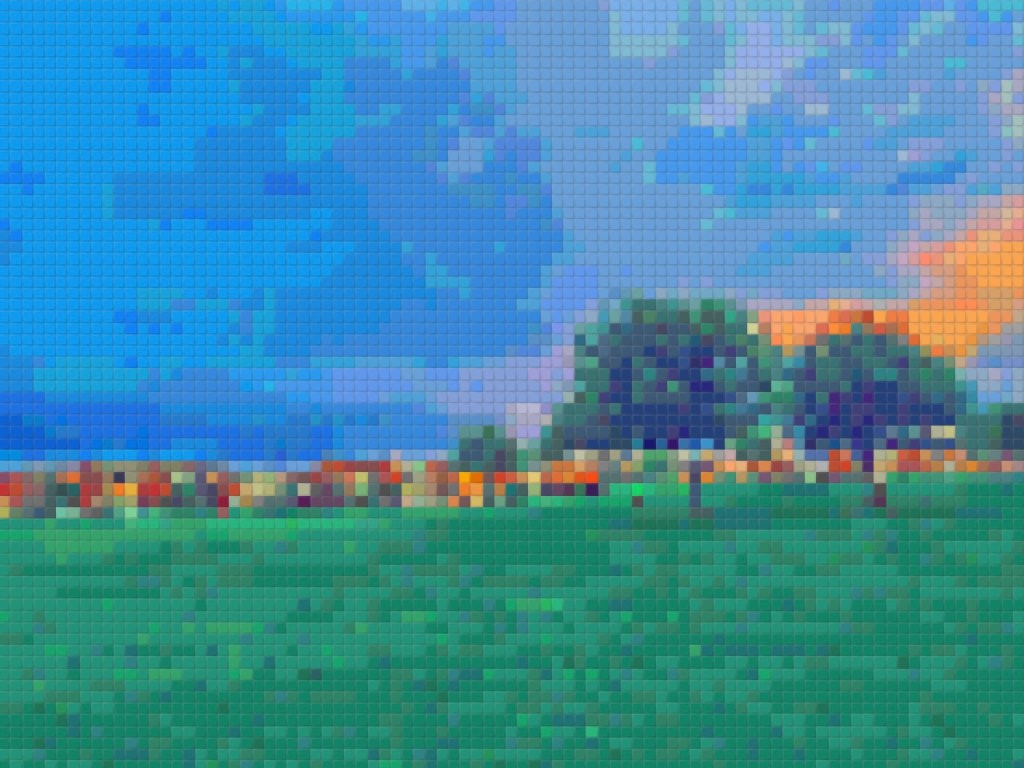
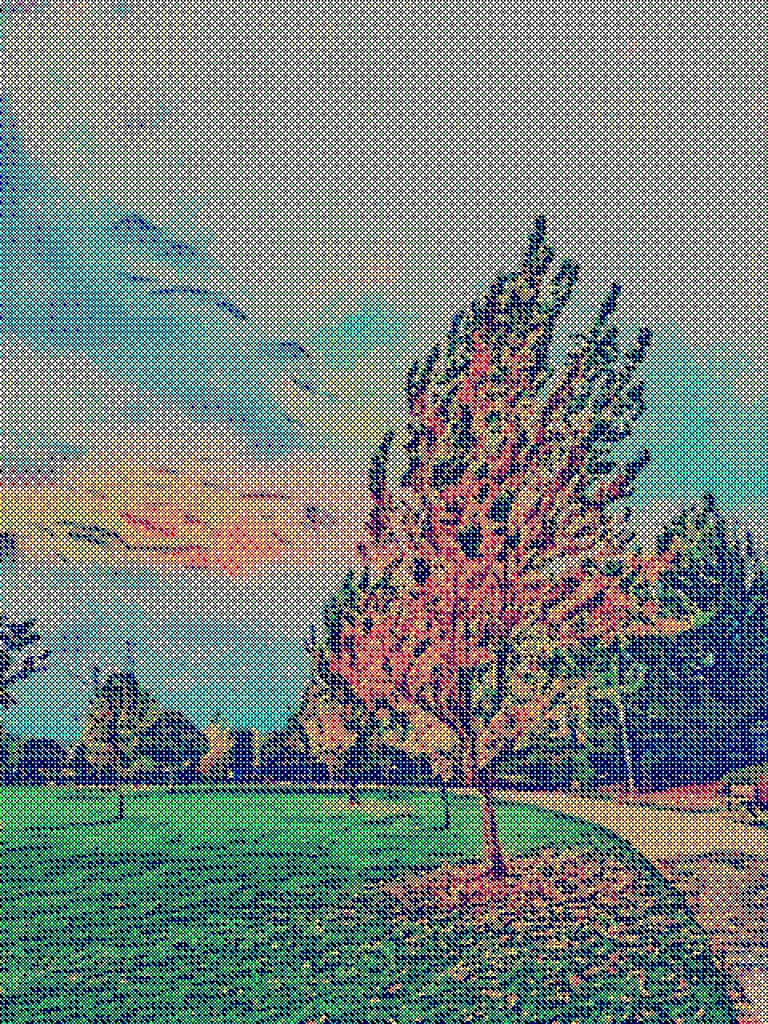
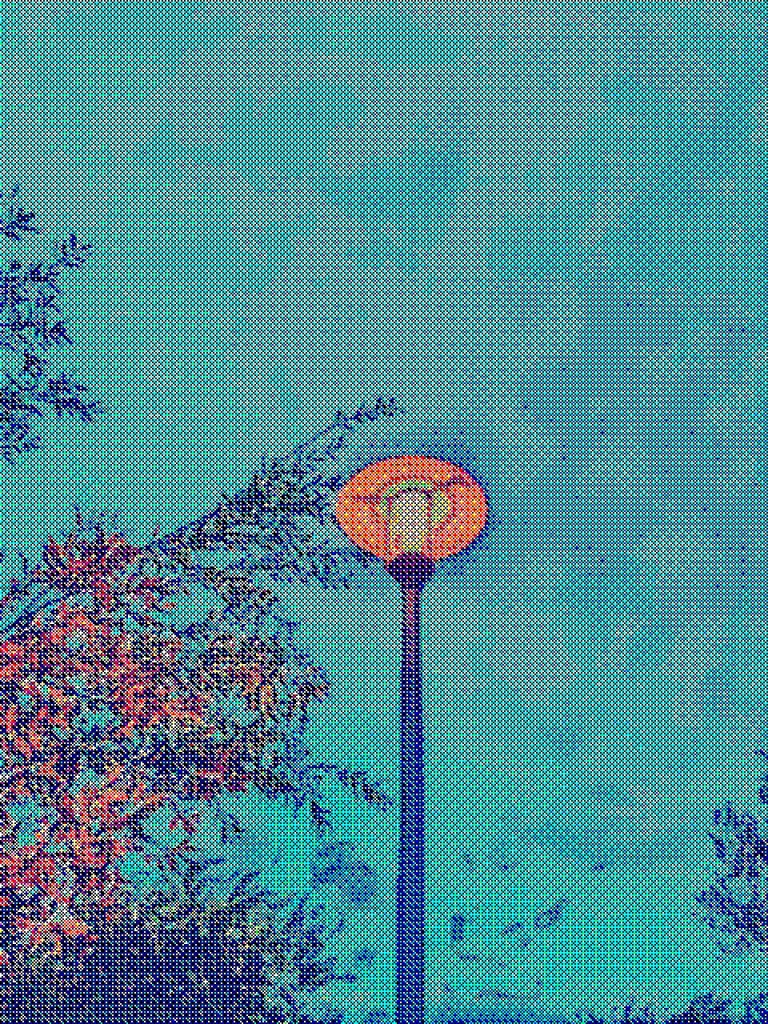
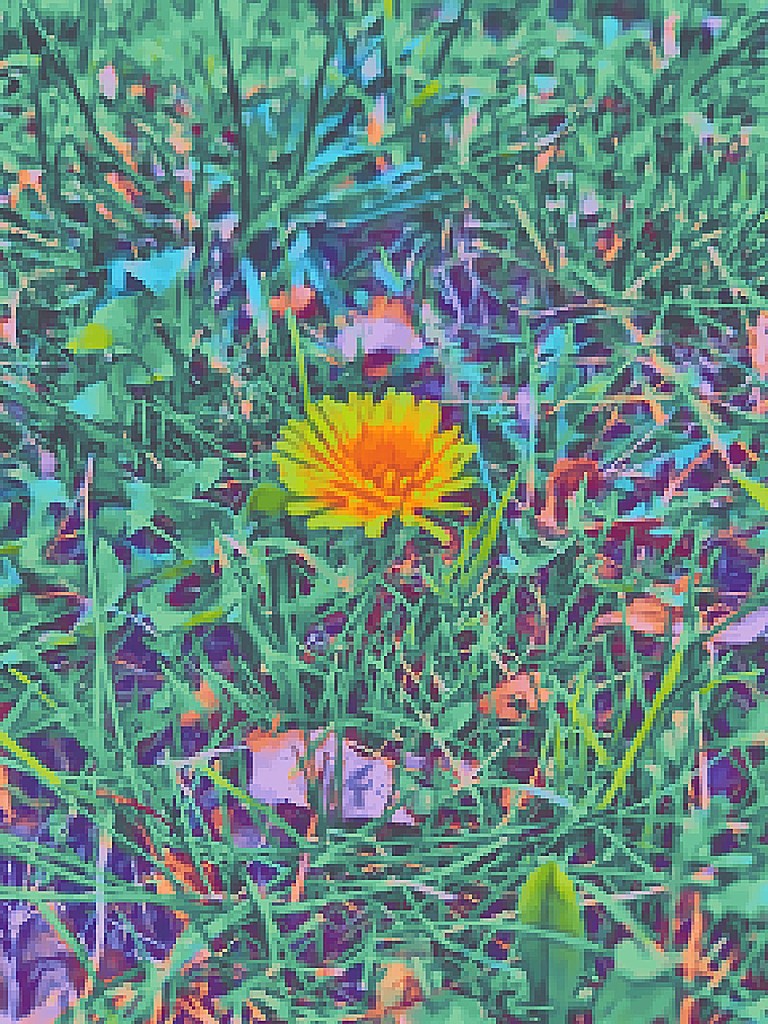
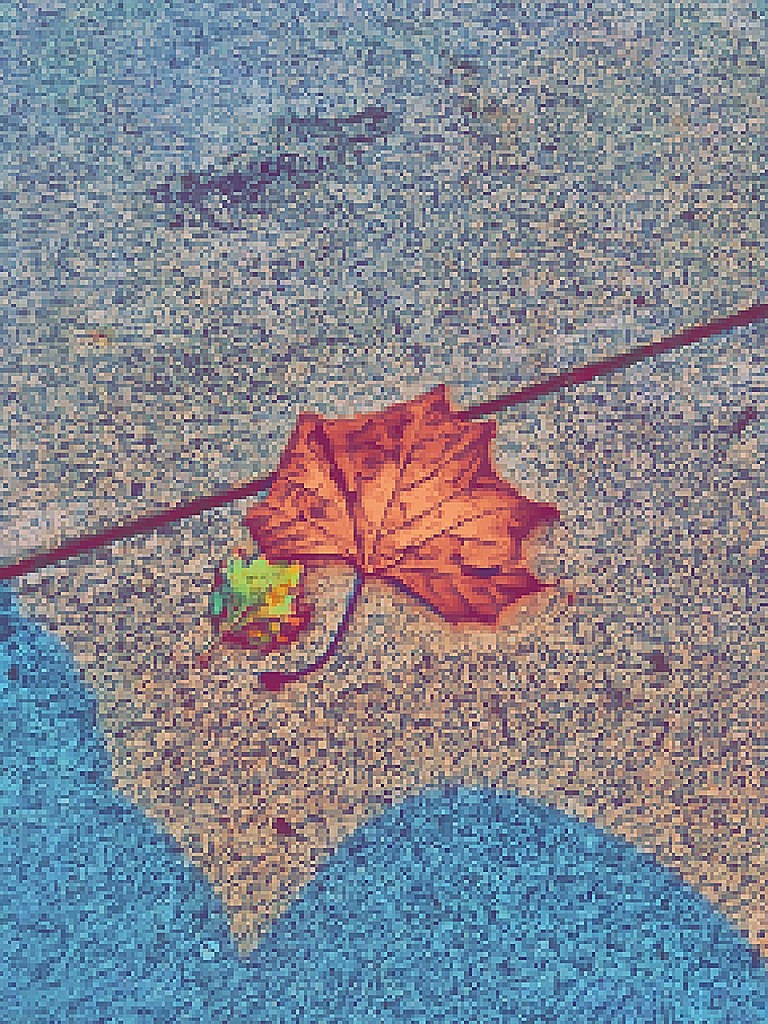
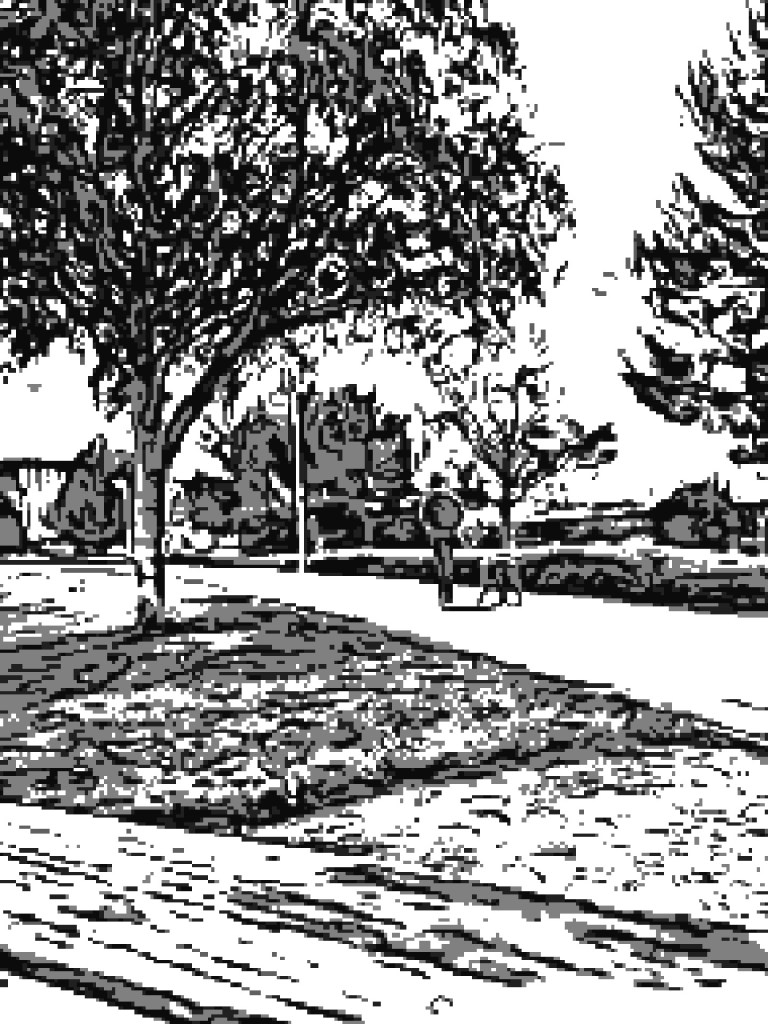
The Pixel Art Camera app is turning out to be a fun experiment in point and shoot photography. This batch is from a park where I go for my evening walks. The iPhone camera makes everything look so perfect. But in expecting perfection, it has made me worry too much about how a shot looks. Deliberating pixelating my pics has injected some fun and whimsy about my photography.
Stack of Stuff
Everyday I come across some really interesting creations. They tend to be inspiring works of art. Cool gadgets and tech. Provoking reads. Figured it was time to start piling them into a stack, in no particular order.
- Public Domain Image Archive is a fantastic curation of images and artwork available in the public domain. Instead of using them, I just love browsing through this collection. A wide array of works. Eclectic, diverse, colorful.
- TRMNL is such a cool device. Had I not gotten a Pixel tablet recently, I would certainly gotten this. I use the Pixel as a shared device at home to keep track of doctor’s visits, groceries, bills, birthdays, the weather and to read books. Other than for reading books, the TRMNL seems like such a cool (and economical) alternative. It helps that it sports an open-source ecosystem of apps and widgets.
- Project Gutenberg is collection of books available in the public domain, as defined by the US Copyright law. There are few exceptions. The books are available as eBooks, in numerous formats, but most notably, as plain HTML files – so you can just read them directly in the browser.


 Winter Rant
Leave a comment